The pace of change in the fashion industry has accelerated so dramatically that styles can rise and fall in a matter of weeks. What once followed predictable seasonal cycles is now driven by a constant churn of micro‑trends, viral aesthetics, and rapid-fire product drops. This breakneck speed reshapes everything from how brands design and manufacture clothing to how consumers discover, buy, and discard it. Understanding the engines behind this acceleration is essential for anyone trying to navigate or compete in modern fashion.
1. The Social Media Feedback Loop
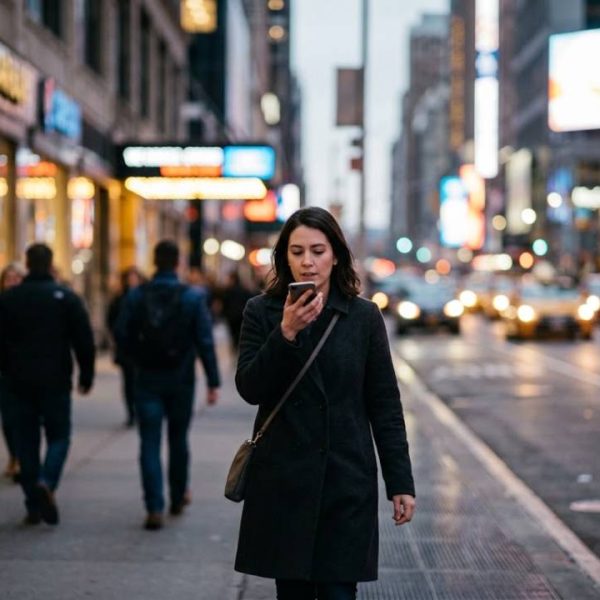
Social platforms have become the primary runway for everyday fashion. Trends that once took months to percolate from catwalks to closets now erupt overnight thanks to influencers, celebrities, and user-generated content. Hashtags, style challenges, and “get ready with me” videos can propel a niche look into the mainstream in days. Each viral moment nudges brands to respond faster, which in turn feeds consumer expectations for constant novelty. The result is a feedback loop where visibility, engagement, and sales all depend on reacting at unprecedented speed.
2. Influencers as Real-Time Trendsetters
Traditional fashion authorities—editors, luxury designers, and buyers—once dictated what was “in” or “out” for entire seasons. Today, that power is fragmented among thousands of influencers operating at different scales and in different niches. Micro-influencers can launch micro-trends, while mega-influencers and celebrities can make a single outfit go viral globally. Brands track this in real time and adapt merchandising accordingly, often releasing capsule collections inspired by posts that performed well this week, not last season. This on-demand trend creation leaves little room for slower, more deliberate design cycles.
3. Globalization and Cross-Cultural Exchange
Fashion inspiration now crosses borders instantly. A street style in Seoul can influence shoppers in Paris or New York within hours thanks to cross-platform sharing and algorithmic recommendations. To keep pace, brands must localize campaigns, shows, and collaborations for multiple markets at once. This can include everything from multilingual marketing to live events that require professional support such as On site interpretation services so international partners, press, and buyers can connect seamlessly. As fashion becomes increasingly global, the cycle tightens: what’s popular somewhere today must be on shelves everywhere tomorrow.
4. Ultra-Fast Supply Chains and Real-Time Production
Technological advances and highly optimized logistics enable brands to design, manufacture, and distribute new items at record speed. Data from online platforms, search trends, and customer behavior flows directly into design decisions. Factories can pivot production lines within days, while warehouses and shipping networks deliver finished products to stores and customers with minimal delay. Instead of planning months ahead, many labels work with rolling calendars and rapid sampling cycles. The ability to respond so quickly doesn’t just meet demand—it creates it, by encouraging ever more frequent product refreshes.
5. E-Commerce and the “Endless Shelf” Effect
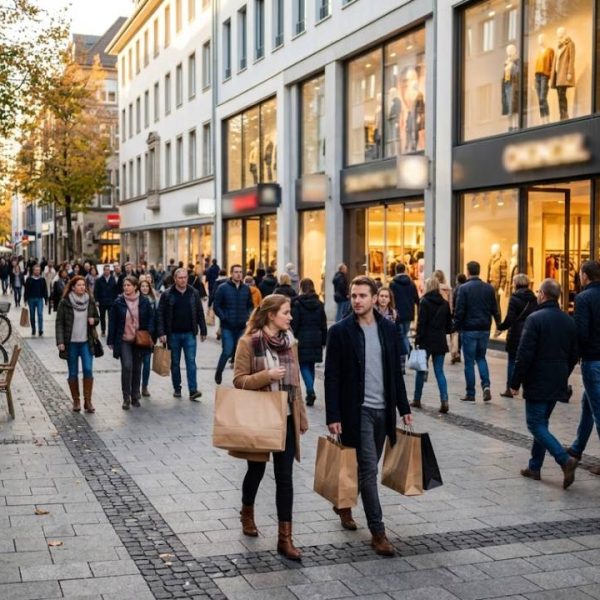
Online shopping has removed many of the physical limitations that once slowed the fashion cycle. Digital storefronts can introduce new products daily without worrying about floor space or traditional merchandising constraints. Brands exploit this flexibility by launching limited drops, collaborations, and seasonal edits at a relentless pace. Recommendation engines also push new looks to consumers constantly, turning browsing into an ongoing discovery process. As customers grow used to seeing something fresh every time they log in, the pressure to accelerate design and release schedules intensifies. Modern media studies now spans everything from television to social platforms and streaming.
6. Micro-Trends and Hyper-Specific Aesthetics
Instead of a few dominant seasonal trends, fashion is now fragmented into dozens of micro-trends: niche aesthetics, fandom-inspired looks, and hyper-specific subcultures with their own style codes. These micro-trends can explode quickly within online communities and fade just as fast. Brands try to capture these fleeting moments through targeted collections and fast-turnaround designs. While this approach allows for increased personalization, it also means that garments can feel “dated” within weeks, driving consumers back to the market in search of the next micro-trend.
Fashion cycles accelerated once the feedback loop between a trend appearing and a factory responding collapsed to weeks. The engine behind that compression is visible in viral tiktok trends, where an aesthetic can go from niche to saturated inside a fortnight. Supply chains now chase a signal that moves faster than they were designed for.
7. Shortened Attention Spans and Content Overload
The modern consumer faces a barrage of visual content—ads, reels, stories, lookbooks, and live streams—across multiple platforms. In this environment, attention is scarce and loyalty is fragile. Fashion labels compete not just with each other but with every piece of content on a user’s feed. To stand out, they experiment with bolder designs, frequent collaborations, and surprise product launches. However, this constant stimulation has a cost: items feel less special, and the window in which they command attention shrinks, compelling brands to keep refreshing their offer.
8. The Economics of Overproduction
Speed is closely tied to volume. Brands that can produce large quantities of clothing quickly can flood the market with new options, betting that some will catch on. This strategy relies on forecasting algorithms and rapid design-turnaround, but it can also result in mountains of unsold inventory. To move this stock, companies use aggressive discounting, flash sales, and outlet strategies—all of which teach shoppers to expect constant bargains and new selections. That expectation fuels the next production cycle, pushing the industry to spin even faster.
9. Sustainability Pressures and Greenwashing Risks
As awareness of environmental and social impacts grows, brands face pressure to slow down and adopt more responsible practices. Yet many respond with “green” capsules and sustainability messaging layered on top of fundamentally accelerated cycles. This tension can lead to superficial changes—recycled fabrics used in ultra-fast collections, or eco-friendly marketing attached to overstuffed product lines. True sustainability conflicts with relentless speed, and companies that try to reconcile the two without structural change risk eroding trust as consumers become more informed.
10. Consumer Burnout and the Search for Timelessness
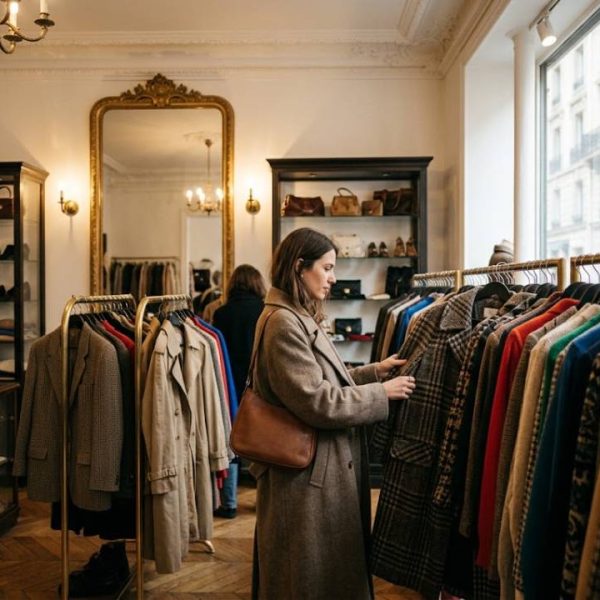
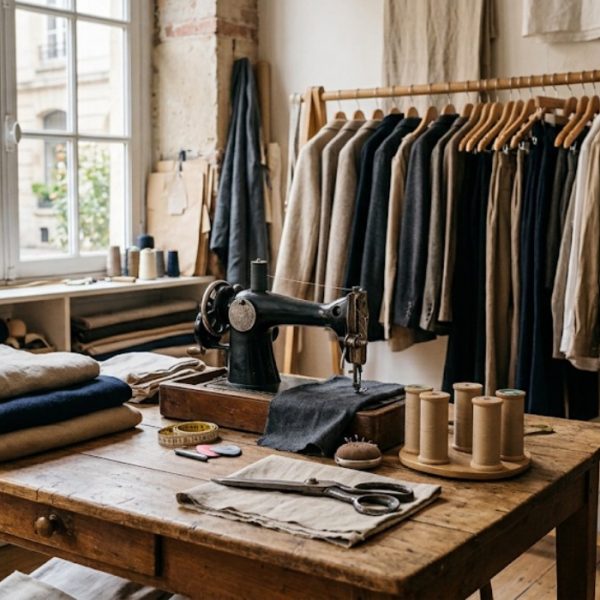
The constant demand to keep up with shifting looks can exhaust even the most dedicated fashion enthusiast. Many shoppers are reacting by embracing slower, more intentional approaches: investing in quality pieces, curating capsule wardrobes, and prioritizing personal style over algorithm-driven trends. At the same time, the broader system keeps accelerating, creating a divide between those who opt out and those still caught in the churn. Brands that recognize this fatigue have an opportunity to differentiate themselves by offering durability, repair services, and timeless design instead of pure novelty.
Navigating an Overclocked Fashion Landscape
The rapid acceleration of fashion cycles is the product of multiple forces—social media, globalized communication, advanced supply chains, e-commerce, and shifting consumer behavior—all reinforcing one another. While this environment rewards agility and innovation, it also raises serious questions about sustainability, labor practices, and long-term brand value. Companies and consumers alike must decide how much speed they truly need and at what cost. Those who can balance responsiveness with responsibility, and trend awareness with timelessness, will be better positioned to thrive as the industry continues to evolve at high speed.