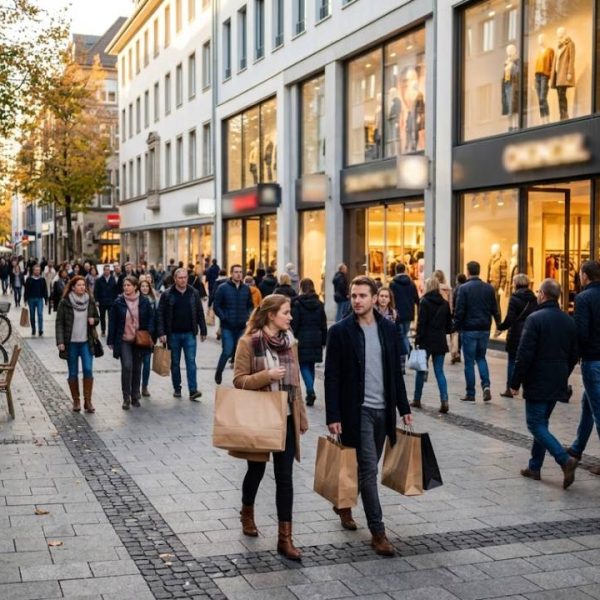
Walk into almost any large clothing chain this season and you will find a rail marked "conscious" or "responsible", usually in soft earth tones, usually cheaper than you expected. The label is doing a great deal of work. Ask ten shoppers what is sustainable fashion and you will get ten different answers, most of them lifted straight from swing tags. That gap between the promise and the definition has become one of the more interesting stories in retail, because it is finally starting to cost brands money.
What is sustainable fashion, really
At its least controversial, sustainable fashion describes clothing produced in a way that limits environmental harm and treats the people who make it fairly. That covers water use, chemical dyes, carbon in the supply chain, factory wages and safety, and what happens to the garment once someone stops wearing it.
The trouble starts at the edges. A cotton shirt grown with less irrigation is better than one grown with more, but it is still a shirt that may be worn a dozen times before it is discarded. A recycled polyester jacket keeps bottles out of landfill and sheds microplastics in every wash. Almost every claim is true in isolation and incomplete on its own, which is exactly why the word has lost some of its power. Shoppers have learned that a green label describes one attribute of a garment, not the whole life of it.
Why slow fashion turned out to be the more honest term
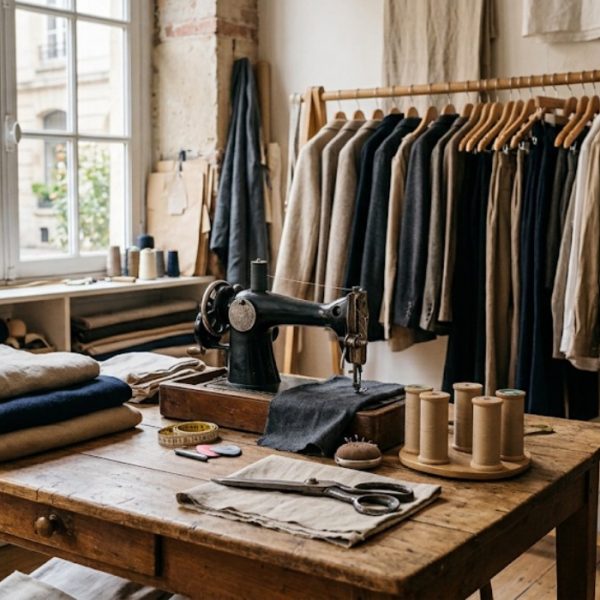
Slow fashion sidesteps the materials argument entirely and talks about pace. Buy fewer things, buy better things, keep them longer, repair them when they fail. It is an old idea with a new name, and it is unusually hard to fake in marketing, because the only way to prove it is to sell less.
That is also why the brands leaning hardest into slow fashion tend to be small. A label producing two collections a year with a repair service attached has a story that survives scrutiny. A retailer dropping new styles weekly does not, no matter how many organic cotton rails it installs. The consumer reaction has been quietly brutal. Search interest in repair, alteration and secondhand terms has grown steadily while trust in blanket sustainability claims has fallen.
The circular argument, and where it actually works
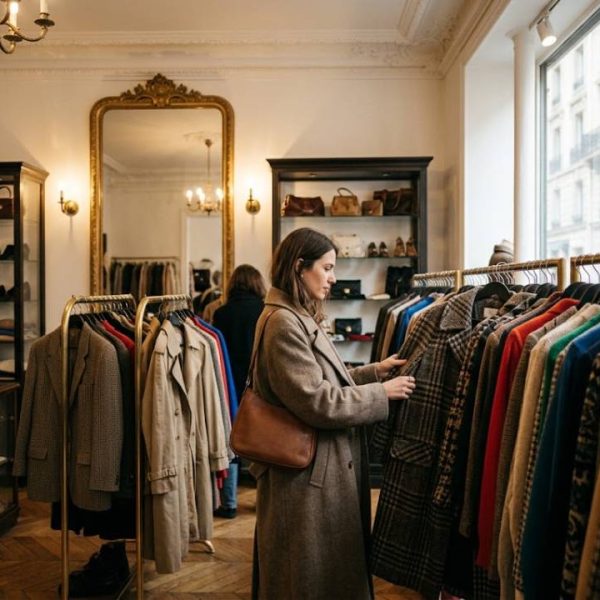
Circular fashion is the version of the idea that keeps materials moving instead of ending in a hole in the ground. Resale, rental, repair and genuine fibre-to-fibre recycling all sit under that heading. Research from the Ellen MacArthur Foundation has been pushing this framing for years, and it has moved from conference slides into actual retail operations. Resale platforms are now a normal part of how mid-market brands reach younger buyers, and several have brought the trade-in desk in house rather than losing the margin to a third party.
Recycling is the weak link. Most clothing is a blend, and blended fibres are hard to separate at scale, which is why so much of what is collected is downcycled into insulation or rags rather than turned back into fabric. Anyone looking for practical circular economy examples from outside the wardrobe will notice the same pattern in packaging and electronics. Collection is easy, sorting is expensive, and the economics only work when a product was designed for it in the first place.
Shoppers stopped trusting the word sustainable partly because the garments behind it kept getting vaguer. What restored some confidence was specificity: where it was cut, what weight the fleece is, how it washes after a year. A well-documented american flag hoodie is judged on exactly those details rather than on adjectives.
How to reduce textile waste without buying anything
The most effective answers are also the least commercial. Wash less and cooler. Learn two repairs, a hem and a button, and the lifespan of a garment roughly doubles. Sell or donate rather than bin, and check whether a local charity actually wants what you are giving them, because unsellable donations become someone else's disposal cost. None of this sells a new collection, which is why you rarely see it on a campaign, and it is the clearest answer to how to reduce textile waste that anyone has produced.
Sustainability claims are hard to verify, so buyers rely on proxies and certifications of varying rigour. Language services have exactly the same information problem. Judging translation quality usually means assessing process and credentials because the output cannot be checked directly.
The trust problem is partly a language problem
There is a wrinkle that most sustainability coverage misses. Global brands write their environmental claims in English, then push them into fifteen markets with whatever translation the deadline allowed. A carefully hedged phrase in the original becomes an absolute promise in the target language, and a regulator in Milan or Munich reads it as a straightforward overclaim. Precision matters more here than in almost any other kind of retail copy, and research on why most global consumers only buy in their native language shows how much weight shoppers place on wording they read in their own tongue. If the sustainability paragraph is the one that got machine translated, that is the paragraph that will be quoted back at the brand.
What comes next
Regulators are closing the gap that marketing opened. European rules on unsubstantiated green claims are pushing brands towards evidence rather than adjectives, and vague terms like eco-friendly are becoming a liability rather than an asset. The likely outcome is fewer claims, stated more narrowly, with data behind them.
For shoppers, the practical test has not changed. Look at the composition label, look at the price, and ask whether the garment is built to survive fifty washes. Sustainable fashion that lasts one season was never sustainable. The brands that understand this are quietly rebuilding around durability and service, and they are the ones worth watching over the next two years.