Fashion and technology used to live in separate magazines. Today they share the same screen. A jacket is launched with a short video, a pair of sneakers is sold through an app, a smartwatch is chosen as much for its strap as for its sensors. Trends travel faster than ever, moving from a street in Tokyo to a phone in Texas within hours. This article looks at the fashion and technology trends shaping everyday life now, explains how to separate real change from noise and shows why language and culture matter when a trend crosses borders.
Fashion Is Becoming More Personal
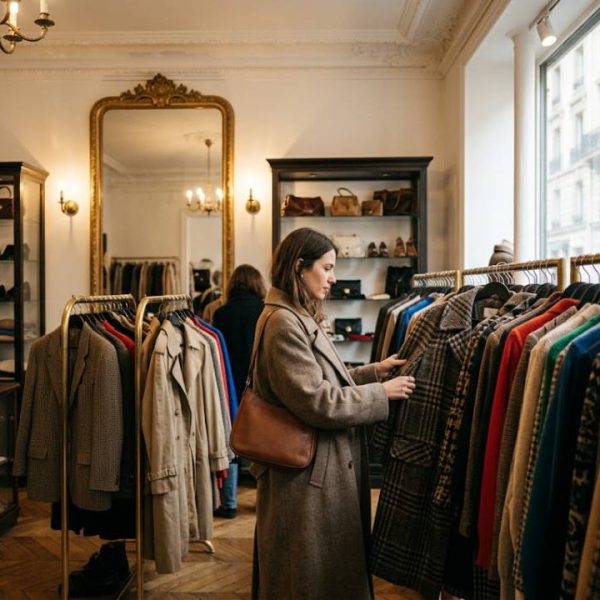
Shoppers no longer want to look like everyone else. They mix vintage pieces, local designers and global brands, and they value comfort as much as style. Sustainable materials, repair services and resale platforms have moved from niche to normal. Many buyers now ask where a garment was made and how long it will last.
The strongest trend is not a color or a cut, it is the demand for clothes that fit a real life, a real budget and real values.
Technology That People Actually Use
Each year brings a flood of gadgets, but only a few change habits. Phones with better cameras, wireless earbuds, fitness trackers and smart home devices have become part of daily routines, while many novelties disappear. Independent outlets such as Wired help readers understand which products are worth attention.
Before buying, ask which problem a device solves for you, and ignore features you will never use.
Where Fashion Meets Wearable Tech
Smartwatches, fitness rings, heated jackets and glasses with cameras show how clothing and technology merge. Designers now work with engineers to hide sensors in fabrics and to make devices look like jewelry. The challenge is comfort, battery life and privacy.
Items that look good and work quietly in the background are more likely to succeed than gadgets that demand constant attention.
Social Media as a Trend Engine
Short videos create trends in days. A styling trick, a color combination or a gadget review can sell out a product overnight. Brands respond with limited collections, collaborations and fast production. Consumers should remember that viral does not mean lasting, and that pressure to buy quickly is often part of the marketing.
Follow creators who explain their choices, show real use and disclose partnerships.
Global Trends and Local Taste
A trend rarely moves unchanged. Streetwear from Japan, minimalism from Scandinavia and bright prints from Africa and Latin America are adapted by local designers. Language plays a part too, since slogans, product names and tags must work in each market. If you follow Asian fashion, english to japanese translation is often needed for catalogs, labels and size guides.
Cultural care prevents embarrassing mistakes and shows respect for the origin of a style.
Foreign Content and Subtitles
Fashion shows, interviews and tech reviews increasingly appear with subtitles in several languages. Poor subtitles can ruin a good story. Our guide to subtitle translation errors lists common problems such as bad timing, mistranslated brand names and lines that are too long to read.
Publishers who invest in quality subtitles reach larger and more loyal audiences.
Sustainability and Honest Marketing
Many brands advertise green collections, but claims need proof. Look for clear information about materials, factories, repair options and take back programs. Be careful with vague words such as eco or conscious. Regulators in many countries are tightening rules on environmental claims.
Buy fewer, better items, and care for them well.
Practical Tips for Readers
Build a small wardrobe of pieces that mix easily, choose technology with long software support and use secondhand markets for experiments. Set a monthly budget, and wait a week before buying anything impulsive.
Trends are fun when they serve your life instead of ruling it.
The Role of Independent Media
Reliable magazines and websites test products, investigate supply chains and explain how trends begin. They help readers understand what is genuinely new. Good reporting separates facts from press releases, discloses sponsorship and corrects mistakes openly. Supporting independent media, whether by subscribing or sharing their work, keeps the information environment healthier.
Check who is behind a recommendation before you trust it.
Looking Ahead
Expect more repair services, rental models, modular devices and clothing that adapts to weather and activity. Artificial intelligence will help with sizing and styling, but human taste will remain central. Privacy and ethics will be major topics, since many new products collect personal data.
Readers who stay curious and critical will enjoy the best of both worlds.
How to Follow Trends Without Overspending
Pick two or three reliable sources, set up a short weekly reading habit and write down items you really want. Compare prices, read long term reviews and consider renting or borrowing. Swap clothes with friends, repair what you own and sell what you no longer use.
A thoughtful approach lets you enjoy new things without waste or regret.